
Am I Really Addicted to Food? The Truth About Food Addiction and Binge Eating
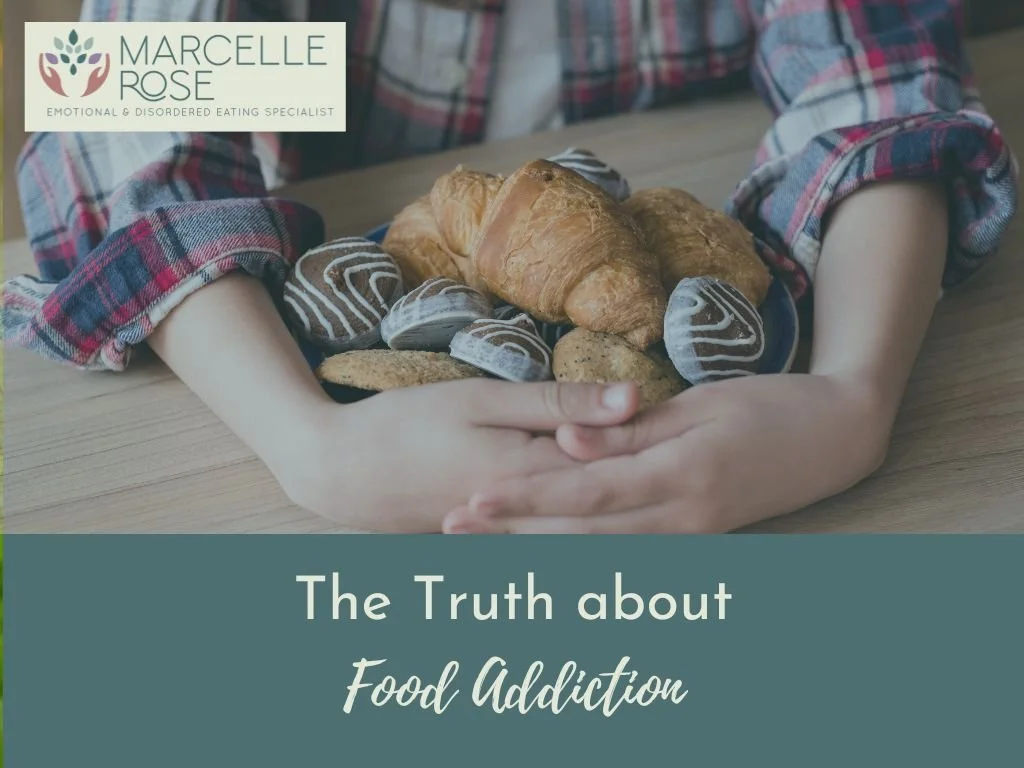
Have you ever felt completely out of control around certain foods? Perhaps you tell yourself you'll only have one biscuit, but before you know it the whole packet has disappeared. It can genuinely feel as though you're addicted to food.
For many people, this experience is very real. But does that mean food is actually addictive in the same way as drugs or alcohol?
The answer is more complicated than you might think.
Why the Idea of Food Addiction Is So Popular
Over the past decade, the idea of ‘food addiction’ has gained enormous attention. Researchers have shown that many ultra-processed foods are designed to be highly rewarding, combining sugar, fat, salt and texture in ways that make them extremely appealing.
These foods also stimulate the brain's reward system by increasing dopamine release - the neurotransmitter involved in pleasure, motivation and learning. Because drugs also affect dopamine pathways, it's easy to assume that food works in exactly the same way.
But this comparison oversimplifies what is actually happening in the brain.
Does Food Affect the Brain?
Absolutely.
Eating enjoyable food naturally activates the brain's reward system. This is completely normal and has evolved to encourage us to eat enough to survive.
Delicious food can increase dopamine, serotonin and other feel-good chemicals, but this doesn't automatically mean food is addictive. Exercise, social connection, music and even laughter activate many of these same pathways.
The presence of dopamine does not equal addiction.
Why Many Experts Question the Term ‘Food Addiction’
Although many people describe themselves as food or sugar ‘addicts’, experts remain divided about whether food addiction is a true clinical addiction.
Unlike alcohol or drugs, food is essential for life. We cannot abstain from eating.
Substance addiction involves dependence on something the body does not need. Food is fundamentally different because eating is a biological necessity.
Labelling yourself as a ‘food addict’ can also unintentionally reinforce shame and self-blame, when in reality your eating behaviours are often driven by understandable biological and psychological factors.
Restriction Often Makes Cravings Worse
One of the biggest factors contributing to binge eating isn't food itself, it's restriction.
When you repeatedly label foods as ‘good’ or ‘bad’, cut out your favourite foods or spend long periods under-eating, your brain becomes increasingly focused on those foods.
The more you try not to eat them, the more mentally preoccupied you often become.
Eventually, when you do eat the food, it can feel impossible to stop.
This isn't a lack of willpower, but a predictable biological and psychological response to deprivation.
Research consistently shows that dieting and food restriction are significant risk factors for binge eating and bulimia nervosa.
Feeling Out of Control Doesn't Mean You're Addicted
Many people describe binge eating as feeling completely out of control.
That experience is valid.
However, addiction-like behaviours can occur for many reasons, including:
chronic dieting
emotional distress
stress
trauma
poor sleep
irregular eating patterns
learned habits around food
underlying binge eating disorder
Treating these underlying causes is often far more effective than simply trying to avoid certain foods forever.
Can Trigger Foods Become Less Triggering?
The good news is yes.
Research on habituation and inhibitory learning shows that repeated, non-restrictive exposure to foods can reduce their novelty and emotional power over time.
Rather than becoming more addictive, foods often become less exciting when you know you can eat them whenever you choose.
This is one of the reasons many people find that once they stop dieting, formerly ‘forbidden’ foods gradually lose their hold.
Healing Your Relationship With Food
If you feel addicted to food, please know that you are not broken.
Your brain and body may simply be responding exactly as they were designed to after periods of restriction, stress or emotional overwhelm.
Rather than focusing on eliminating foods, lasting recovery usually involves:
eating regular, balanced meals
removing food rules
learning to respond to emotions without using food
challenging unhelpful thoughts and beliefs about eating
rebuilding trust in your body
When you address the real drivers behind binge and emotional eating, (as outlined in my best-selling book), food gradually loses its power.
Imagine being able to enjoy all foods without guilt, fear or feeling out of control.
That freedom is absolutely possible.
Navigating the complexities of emotional and disordered eating requires a multifaceted approach, that prioritises mental and emotional well-being alongside physical health. Reach out for support HERE if you would like to book in a complimentary call to find out how I can help.
If the idea of tackling your eating patterns feels overwhelming and you're unsure of where to begin, take a look at my Breaking the Cycle tool kit- which you can currently download for free